Dear participants,
this year brought us a pleasant surprise. Several videos truly moved us, and we simply couldn’t keep them to ourselves. So, in addition to our
top 5 videos and the grand prize winner,
we invited engineers and researchers from our department to select the ones that, for different reasons, resonated with them the most.
We are delighted to share these videos with you
here.
Gagarin’s Day – A Celebration of Human Achievement
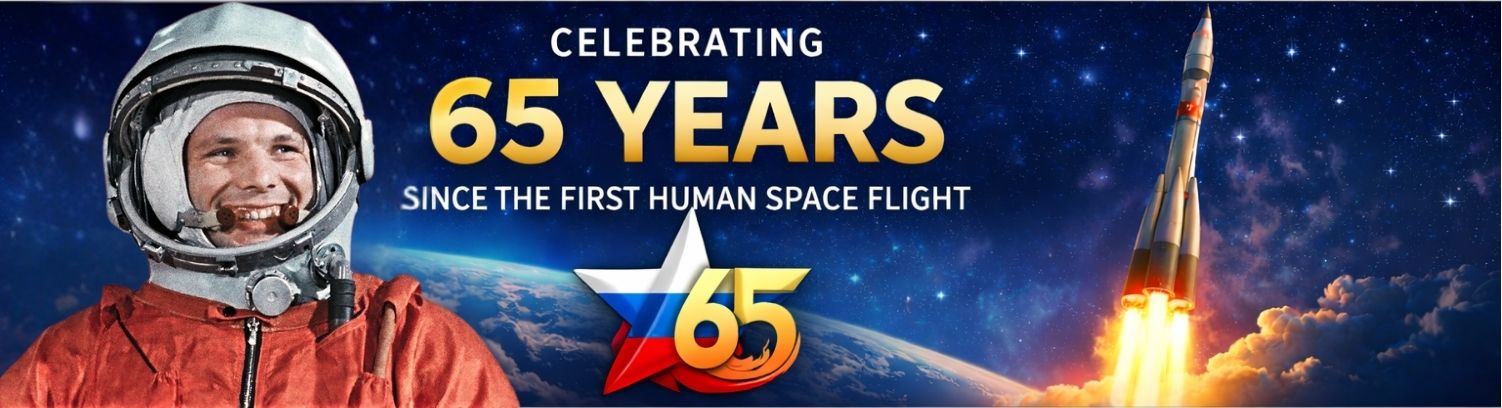
From 6 to 12 April 2026, Russia will celebrate Space Week for the first time (or, as we like to call it, Gagarin’s Week!) — a week dedicated to celebrating the beginning of human space exploration.
On April 12, 1961, the world witnessed one of humanity’s greatest achievements: Soviet cosmonaut Yuri Gagarin became the first human to travel into space.
Aboard the spacecraft Vostok 1, Gagarin completed a 108-minute orbital flight around the Earth, continuing the space era that had begun just a few years earlier, on October 4, 1957, with the launch of the world’s first artificial satellite, the Soviet Sputnik 1.
Gagarin’s triumph was made possible thanks to the extraordinary efforts of engineers, scientists, and countless contributors to the Soviet space program. The mission was led by Sergey Korolev, the Father of Cosmonautics, after whom Samara National Research University is named.
This day is now celebrated as the International Day of Human Space Flight.
Yuri Gagarin
Gagarin’s legacy did not end with his historic flight. Even after receiving multiple medals and being recognized as a national hero, he continued to serve his country, becoming a deputy of the Supreme Soviet, taking on leadership roles in cosmonaut training, and graduating cum laude from the Zhukovsky Air Force Engineering Academy.
Gagarin was a pioneer, and by facing the unknown and doing something that had never been done before, he became a symbol of courage and human heroism.
The Importance of Celebrating Gagarin's Day
Each contribution is a step toward the future of space science that we continue to shape together today. As Sir Isaac Newton once said,
"If I have seen further, it is by standing on the shoulders of giants."
By celebrating Gagarin’s Day, we honor the courage that opened the door to human space exploration.
We remember how far science can take us and encourage future generations to dream even bigger.
Why is Samara important?
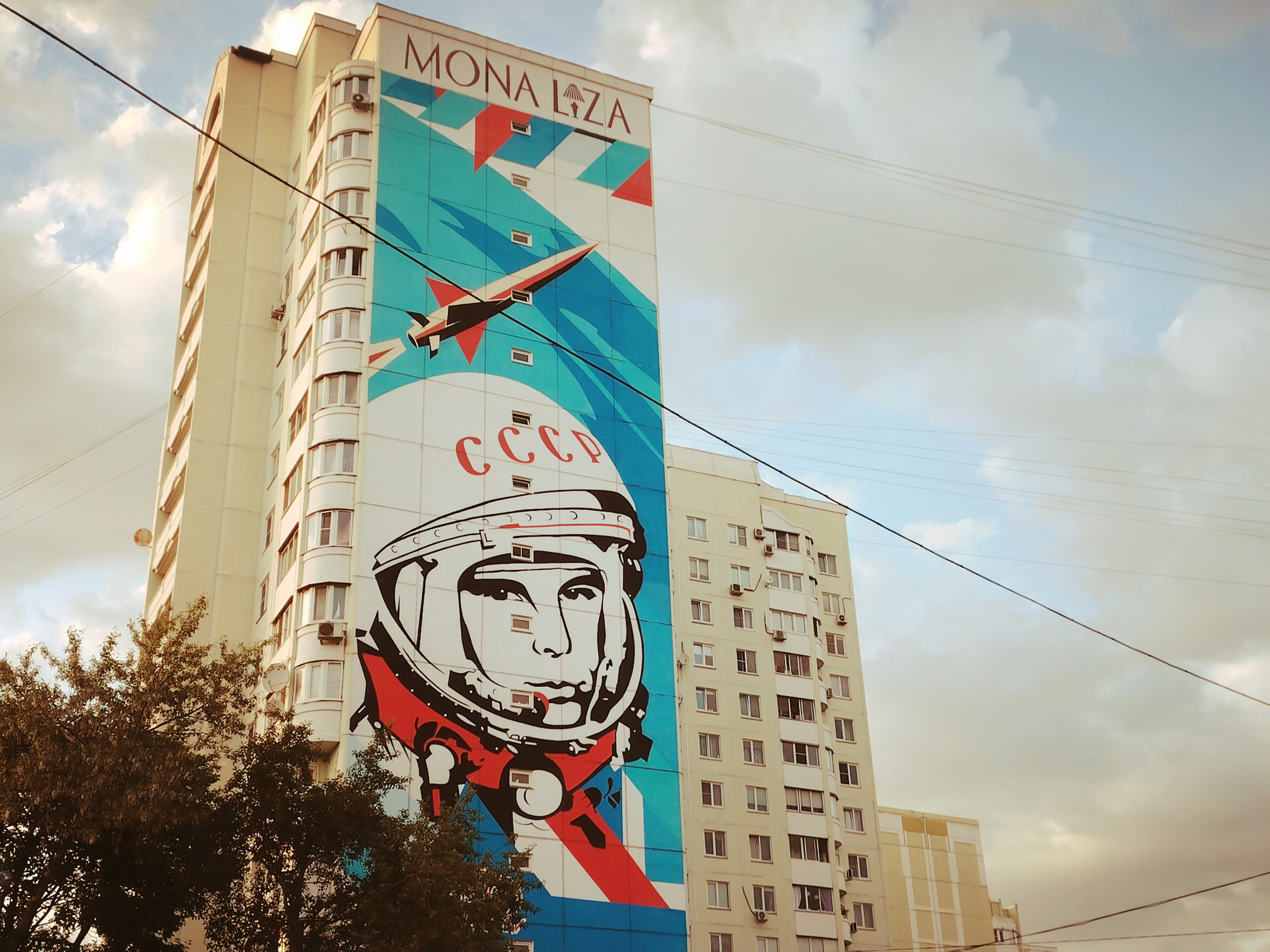
Samara is not known as the Space Capital of Russia in vain: it was in Kuibyshev, today’s Samara, that two stages of Gagarin’s rocket Vostok 1 were built.
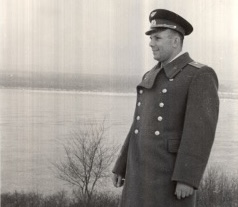
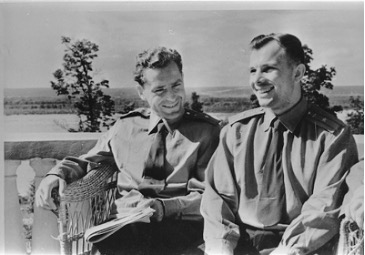
After completing his flight, Gagarin came to Kuibyshev to thank the engineers and workers without whom the mission would not have been possible. Following Gagarin’s example, it became customary for cosmonauts to visit Samara after their spaceflights during the early years of human space exploration.

Celebrate it with us!
The Interuniversity Department of Space Research invites all space enthusiasts to celebrate this day with us.
Take part in our exciting Gagarin’s Day Contest, featuring unique and exclusive prizes.
We also invite you to attend our free webinar on Satellite Attitude Dynamics. More information is available here.